
From a Parent’s Perspective
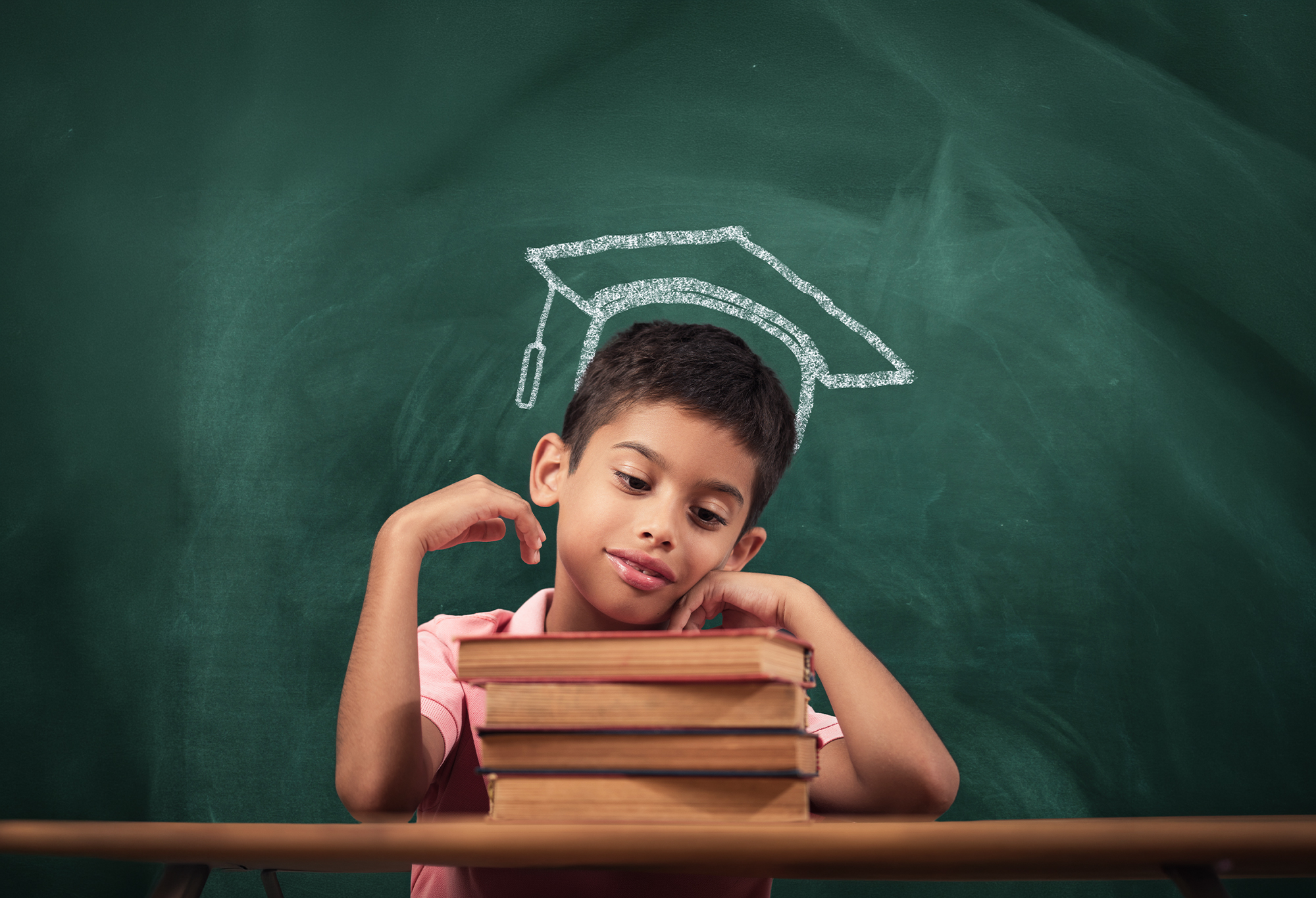
Imagine dropping your child at school for the first time, small bag, new uniform, perhaps holding your hand a little tighter than usual.
Now imagine the same child years later, walking out of school after Class 12.
What would you want to have changed?
Good grades and strong academic foundations, certainly. But most parents would want much more: a child who can communicate confidently, make decisions independently, work with different people, handle setbacks, stand up for what is right, remain curious and know that success requires effort.
That is the real long-term question behind DPS school admission. Parents aren’t choosing only where their child will study next year. They are choosing an environment that may influence some of the most formative years of their child’s life.
At DPS Hinjawadi, that journey is built through academics, experiences, reflection, sports, arts, leadership and opportunities to step beyond the familiar.
A School Is More Than a Place to Study – It’s Where Character Is Built
Children spend thousands of hours at school.
Naturally, what happens during those hours shapes more than academic knowledge.
At DPS Hinjawadi, the 4 R’s – Relevance, Relationships, Rigour and Reflection provide a framework for how children experience learning.
Students are encouraged to connect learning with real life, build meaningful relationships, challenge themselves and reflect on their experiences.
These ideas appear in actual school practices, from field experiences and Bagless Days to Making Learning Visible, Samurja, Closing the Loop, clubs, sports and student leadership.
For parents comparing CBSE schools in Hinjewadi, this broader approach can be an important consideration when evaluating how a school supports a child’s overall development.
The intention is simple: as academic expectations grow, the child should grow with them.
Academic Foundations That Stay for Life
A strong CBSE education should prepare students for examinations, but learning cannot begin and end with examination preparation.
DPS Hinjawadi’s Data-Guided Learning approach uses evidence from assessments, classroom participation and student work to understand progress. Instead of waiting for a final examination to discover a learning gap, teachers can use this information to identify where reinforcement or greater challenge may be needed.
As children progress through school, the nature of learning also changes.
Younger children require exploration and concrete experiences. As they grow, conceptual depth, independent thinking, application and academic rigour become increasingly important. By the secondary years, students need stronger foundations for board examinations and the academic choices that follow.
Programmes such as PULSE for Grades 8 and 9, for instance, provide an additional pathway for students seeking deeper foundations in Mathematics and Science and exposure aligned with future competitive learning.
For families exploring schools in Hinjewadi, this progressive approach to academics is worth considering, particularly when looking at how a school supports students across different stages of their education.
This is what the benefits of core education should ultimately mean, not simply completing a syllabus, but progressively preparing a learner for what comes next.
Confidence, Communication and Leadership – Skills Built Through Practice
Confidence cannot be taught through a chapter called “Confidence”.
A child develops it by doing things that initially feel uncomfortable.
Speaking during an assembly. Performing before an audience. Presenting learning to parents. Auditioning for Voice of DPSH. Representing the school at a competition. Taking responsibility as a member of the Student Council. Working with a team where everyone does not agree.
DPS Hinjawadi deliberately creates these opportunities.
Through Tarang, students explore clubs such as Abhivyakti, Nrityashakti, Rhyme & Rhythm, Wordsmiths’, Tech Titans, Science Squad, Number Ninjas, Brush & Beyond, Eco Minions and others.
Through Making Learning Visible (MLV), students get opportunities to demonstrate their learning. Music, dance, drama and external competitions provide additional platforms where preparation eventually has to become performance.
Leadership opportunities similarly move students from participation towards responsibility. The school’s Student Council process includes speeches, interviews, selection and an Investiture Ceremony—helping students understand that leadership involves both earning trust and accepting responsibility.
Happy Practices and Emotional Growth
Academic pressure inevitably increases as children grow. That makes the social and emotional side of school increasingly important.
Happy Practices: Small Routines, Long-Term Habits
At DPS Hinjawadi, Happy Practices are intentional routines that create space for connection, positivity and reflection within school life. Practices such as Samurja and Closing the Loop encourage children not merely to rush from one task to another, but to pause, connect and reflect on their experiences.
Over many years, such routines matter because resilience is not developed through one motivational session. It develops gradually as children experience challenges, relationships, success, disappointment, feedback and reflection in a supportive environment.
This is where social-emotional learning in schools becomes part of everyday life rather than a separate programme.
Values, Ethics and Being a Positive Changemaker
Nurturing Positive Changemakers of Tomorrow
At DPS Hinjawadi, a “Positive Changemaker” is not simply a child who achieves personal success. It is a young person who understands that their choices affect other people, their community and the world around them, and is willing to contribute positively.
How does a school make that practical?
It begins with opportunities to take responsibility.
Initiatives such as Eco Minions and Pawsitivity encourage children to think beyond themselves. Geeta Gyaan creates space for values and reflection. Student leadership gives learners real responsibilities. Environmental activities, community-oriented initiatives, assemblies and collaborative projects allow conversations around empathy and responsibility to move beyond textbooks.
The aim is not to tell children what kind of people they should become. It is to repeatedly give them opportunities to make choices, contribute, collaborate and reflect.
Physical Health, Sports and Discipline
Physical education is another important part of long-term child development.
Through Tejas, students receive structured exposure to sports such as football, cricket, basketball, skating, gymnastics, chess and archery. Students can also come forward for selections to represent DPS Hinjawadi across a wider range of external sporting competitions.
The lessons extend well beyond fitness.
A child who trains regularly learns that improvement takes repetition. A player sitting on the bench learns patience. A team learns that individual talent cannot replace coordination. A defeat teaches children to return to practice.
These are difficult lessons to reproduce inside a classroom.
What Does Your Child Actually Build Over the Years?
| Skill / Outcome | How DPS Hinjawadi Builds It | Where You’ll See It |
|---|---|---|
| Academic foundation | CBSE curriculum + Data-Guided Learning | Classroom learning, assessments, academic progression |
| Confidence | Repeated opportunities to present and perform | MLV, assemblies, Voice of DPSH, performances |
| Communication | Speaking, writing, theatre and collaborative learning | Wordsmiths’, Abhivyakti, presentations and events |
| Leadership | Real roles and responsibilities | Student Council, Investiture, team activities |
| Creativity & curiosity | Exploration beyond regular subjects | Tarang, Jigyasa, Chetna, Tech Titans, Science Squad |
| Resilience & discipline | Practice, competition and reflection | Tejas, tournaments, Happy Practices |
| Empathy & responsibility | Community and values-oriented experiences | Eco Minions, Pawsitivity, Geeta Gyaan |
| Independence | Choices, challenges and progressive responsibility | Clubs, competitions, field experiences and leadership |
Preparing for the World Beyond School
No school can predict exactly what careers today’s children will pursue.
That is precisely why education needs to build capabilities that remain useful even when circumstances change.
Students need academic foundations, but they also need to communicate, collaborate, think critically, use technology responsibly, solve unfamiliar problems and continue learning independently.
Olympiads such as SOF, NMTC and Homi Bhabha, reading challenges, external competitions, sports tournaments, performing arts platforms and academic enrichment provide different kinds of challenge.
Over time, children learn an important lesson: the world beyond school will not always provide a textbook with the answer at the back. Apply to DPS Hinjawadi 2027-28 today!
The 12-Year Return on Your Decision
After twelve years, parents may not remember every worksheet their child completed or every mark scored in a class test.
They are far more likely to remember transformations.
The hesitant child who eventually walked onto a stage.
The student who discovered a sport and learnt to practise even after losing.
The learner who began asking better questions.
The teenager who learnt to take responsibility for a team.
The child who gradually became capable of making decisions without always looking towards an adult for the answer.
That is why evaluating co-curricular activities for students, academics, sports, wellbeing and leadership separately misses the larger picture.
The real value comes from how these experiences work together, repeatedly, over the years.
For parents comparing the top CBSE schools in Pune, the more meaningful question may be what kind of person the school helps a child become over those twelve years.
Because the most meaningful outcome of twelve years at DPS Hinjawadi should not simply be a Class 12 result.
It should be the person who walks out with it.
